


Description
Given its experience in AI-based image processing systems coupled to the OLM (On-Line Microscope), and high accuracy translating inspection systems in harsh environments, CRM Group is well positioned to develop such a roll monitoring solution.
The in-depth understanding and characterization of zinc fouling and staining will be studied by Tata Steel, and the laser cleaning solution will be developed by P-Laser.
During skin pass rolling of hot dip galvanized products, two roll texturing problems are observed which negatively affect the steel strip surface quality: “zinc fouling” and “zinc staining”. The current solution to avoid these problems is a washing system which uses high volumes of water with detergent (soap) at high pressure with a significant ecological impact.
In-situ laser cleaning for skin-pass rolls is seen as a break-through solution as it enables: Dry skin-pass rolling and the elimination of the use of water and generation of waste water ; Controlled removal (cleaning) of zinc from skin-pass rolls to prevent zinc fouling and enable consistent surface texture transfer throughout rolling campaigns ; Use of an optical detection systems which, supported by artificial intelligence, detects zinc ; Staining on skin-pass rolls in an early stage where a dedicated laser cleaning action can remove staining before quality issues arise, enabling a zero-order defect approach.
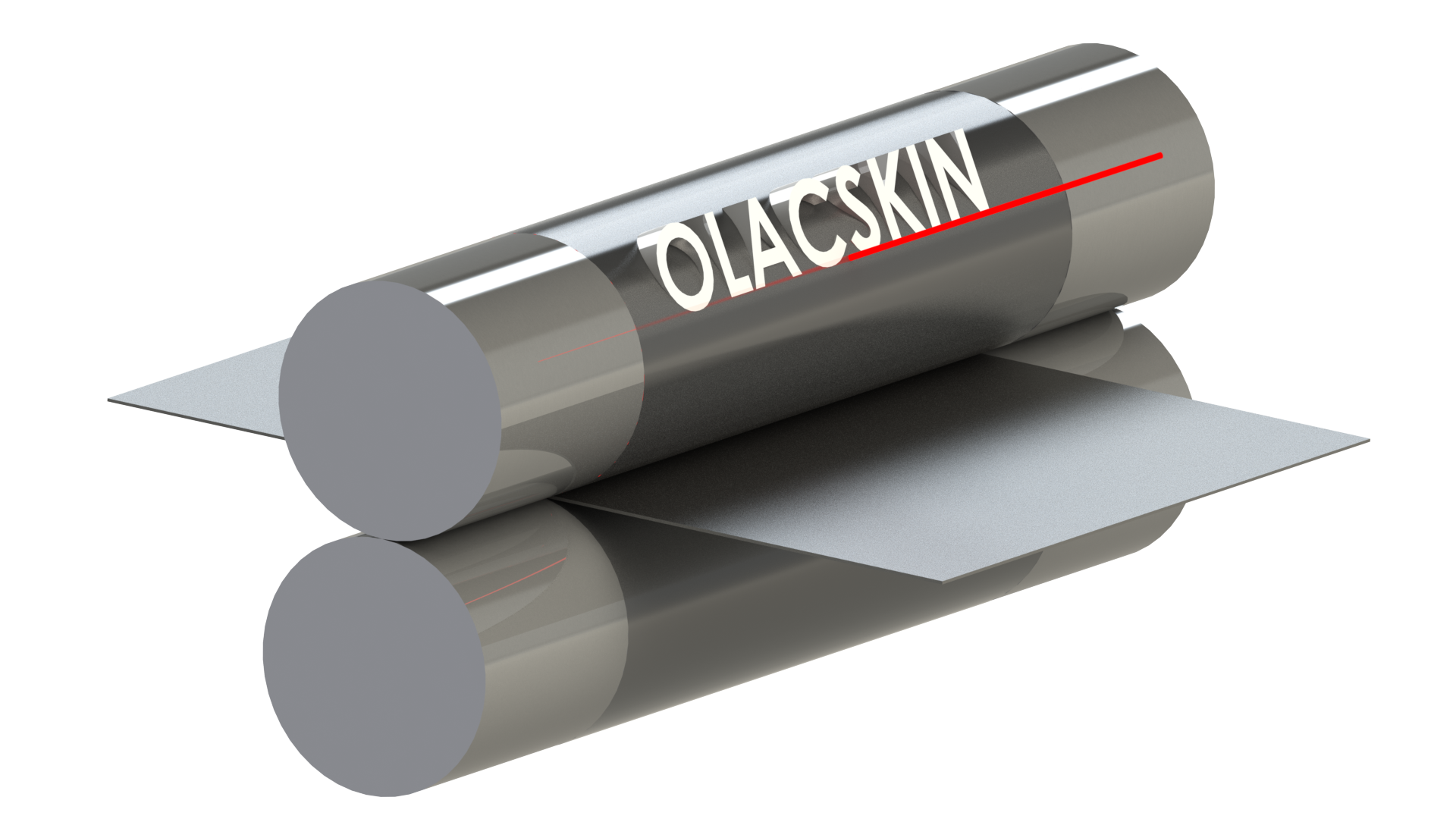
In OLACSKIN RFCS project, an innovative cleaning solution will be demonstrated based on a laser system, visual control system and cleaning algorithms.
Project Results
In depth analysis of zinc fouling and staining
From the start of the project Tata Steel performed numerous industrial work roll analyses and pilot mill trials to investigate zinc fouling and staining mechanisms, providing valuable insights into their evolution. This allowed to clearly define the technical specifications for the inspection and laser cleaning systems the OLACSKIN project is developing.
Setting-up on-line measurement systems
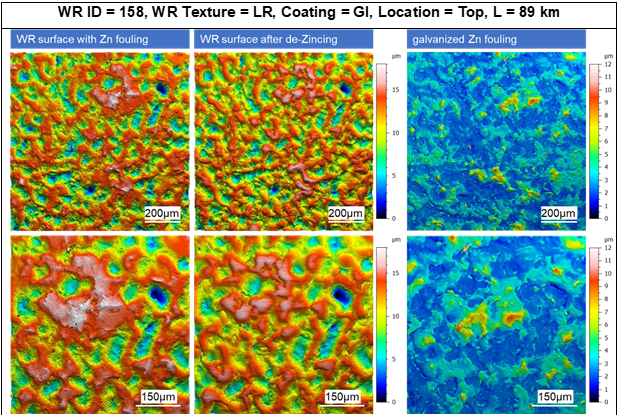
The initial prototype of the visual inspection system, developed by CRM Group, was successfully tested during the pilot mill trials, and its performance was validated for both zinc fouling quantification and zinc staining detection. The pictures below show how the system can easily detect the differences between both types of defects and how the laser system is capable of removing several microns of Zn debris.
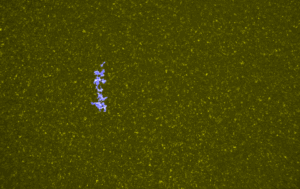
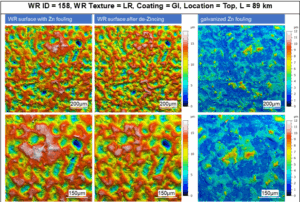
Fig 1. Automatic detection of Zn staining Fig 2. Profilometry analysis after Zn removal
Tuning of the laser system
P-Laser conducted comprehensive laser cleaning trials on individual lab coupons, on an end-of-life industrial work roll, and on a roll used during the pilot mill trials. They demonstrated as mentioned above and shown in the pictures that the laser process effectively removes zinc while perfectly preserving the work roll texture.
Finally in WP5 and WP6 the fully integrated laboratory system is under construction as is shown in the schematic representation.
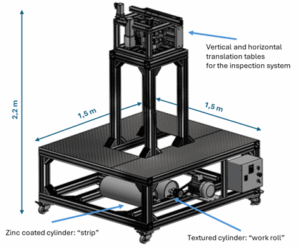
Fig 3. Schematic representation of the integrated pilot line system
It will allow to further tune the laser parameters during a series of offline and online laboratory pilot trials in the coming weeks. They will provide the critical empirical data required to fulfil the remaining project objectives, which cannot be fully addressed at the current stage of development.
Dissemination, exploitation and communication
Thanks to 4 coordination meetings with all partners organized in September 2024, December 2024, June 2025 and December 2025 the project is making great progress and dedicated technical topics discussed amongst the partners concerned allow to identify exploitation tracks.
In addition, the project was already highlighted multiple time through the partners social networks communication channels. Technical results were disseminated within the consortium through the regular project meetings and the dedicated technical meetings, but also presented outside the consortium. Presentations were given during R&D industry seminars and through a paper and presentation at the 7th ESTAD conference in Verona in October 2025 and at the ESTEP 2026 Annual event in Brussels.
Read the full paper here 7th Intl Conference ESTAD 2025_On-line laser cleaning of skin-pass roll